Gear-Driven Facer vs Chain Drive: What Makes the Difference in Stability
During the facing stage of butt fusion welding, instability is not always caused by the cutting blades.
In many cases, it comes from the drive system itself.
The two most common designs are chain-driven and gear-driven facers.
Chain Drive: Common Issues in Use
Chain-driven systems are relatively simple, but in actual operation, several issues may appear:
· Chains tend to loosen over time
· Slight vibration can occur under changing loads
· Regular adjustment and lubrication are required
· Replacement can be relatively inconvenient
These factors can affect the consistency of the facing process.
Gear Drive: A More Stable Transmission
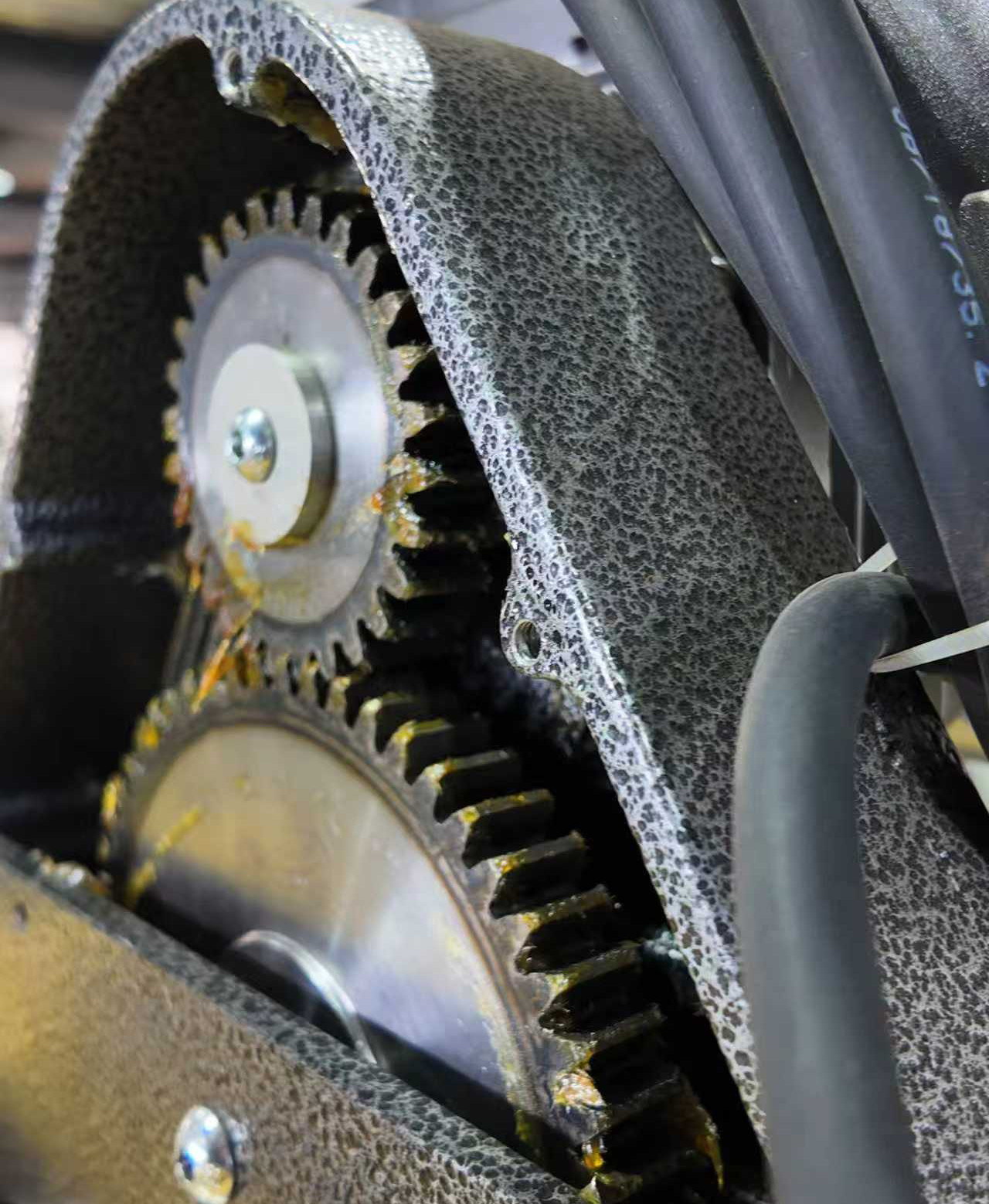
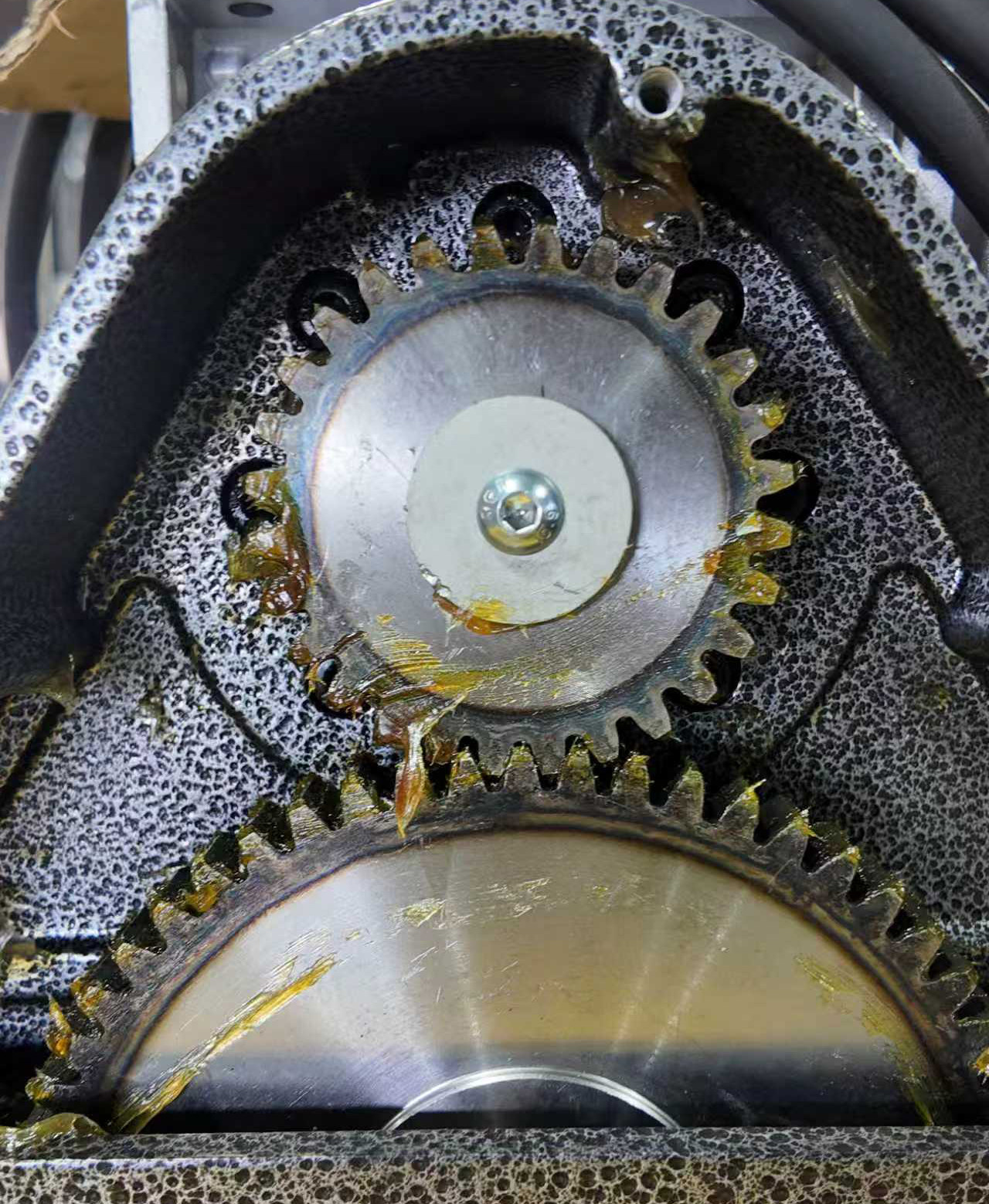
Gear-driven facers transmit power through direct gear engagement.
In practice, this results in:
· Higher transmission efficiency
· More uniform rotation
· Better stability under load
· Easier maintenance
· Longer service life
With a larger contact area between gears, the transmission remains more consistent during operation.
Impact on Facing Quality
The difference in drive systems is reflected in the facing result:
· Chain-driven systems may show slight inconsistency, especially on large or thick-wall pipes
· Gear-driven systems provide smoother cutting and more even pipe ends
This becomes more noticeable as pipe size increases.
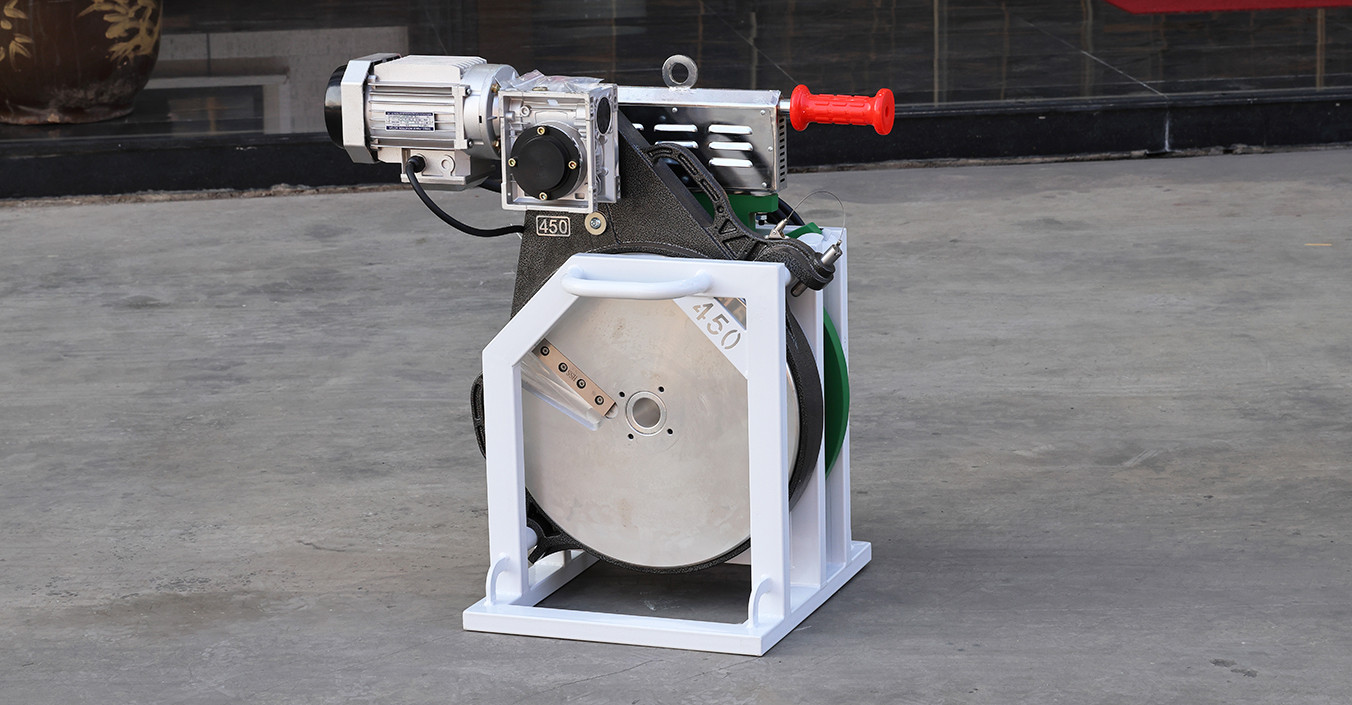
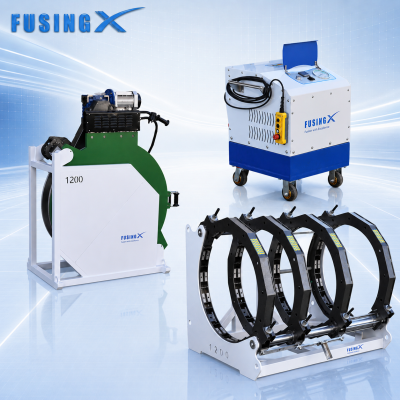
Why FX Uses Gear-Driven Facers
FX series machines are designed for medium to large diameter pipe welding, where stability is more critical.
The use of gear-driven facers is not about adding complexity, but about ensuring stable and controlled performance under real working conditions.
Conclusion
Both systems can complete the facing process.
However, under long-term use and higher load conditions, gear-driven facers offer more consistent performance, making them better suited for large-diameter butt fusion applications.