Why Are Welping Facer Tools More Reliable?|A Closer Look at the Gear-Driven Structure
In butt fusion welding, the importance of the facer is often underestimated.
However, anyone with real job-site experience knows this well—a stable and accurate facer determines whether the pipe ends are flat, aligned, and free of surface irregularities.
It directly affects the overall welding quality.
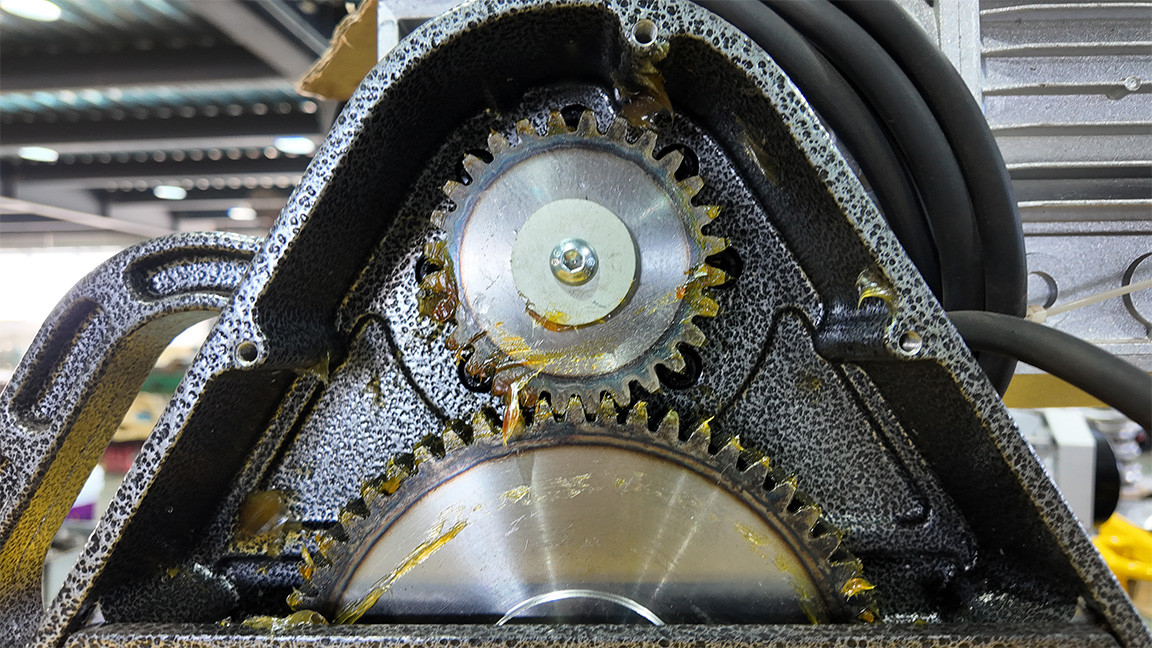
Using actual internal photos of our facer unit, this article explains the structural differences between Welping’s gear-driven facer and the chain-driven facers commonly found in the market, and why these differences matter in real applications.
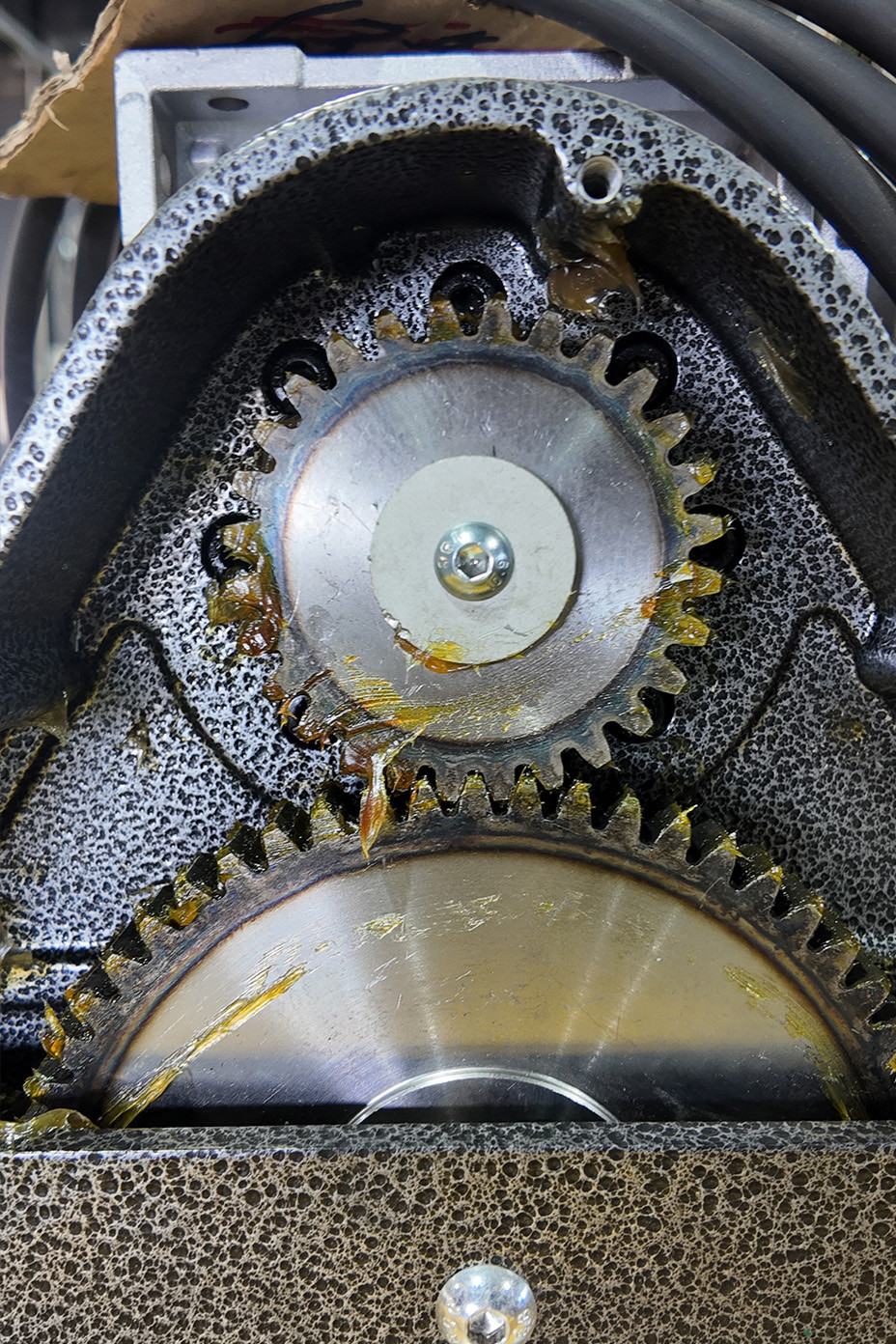
01. Gear Drive Instead of Chain Drive
Many facers on the market rely on a chain transmission system. While low-cost and easy to assemble, chains inevitably stretch, loosen, and develop transmission gaps over time.
Welping instead adopts a precision gear-drive structure, which requires higher machining accuracy and higher production cost—but delivers significantly better performance.
Key advantages of gear drive:
✔ Stable and slip-free transmission
✔ Linear and consistent torque output
✔ Better performance on large-diameter and thick-wall pipes
✔ Minimal wear and long-term stability
These characteristics make gear-driven facers much more reliable over years of continuous operation.
02. Longer Service Life, Less Maintenance
Chains are consumable components—they stretch, require tension adjustment, and eventually need replacement.
In contrast, properly lubricated steel gears have a much longer lifespan and require minimal adjustments.
Many long-term users simply describe the difference as:
“Welping facers stay stable for years, while chain-driven ones need periodic fixing.”
03. A Thicker Facer Plate for More Stable Cutting
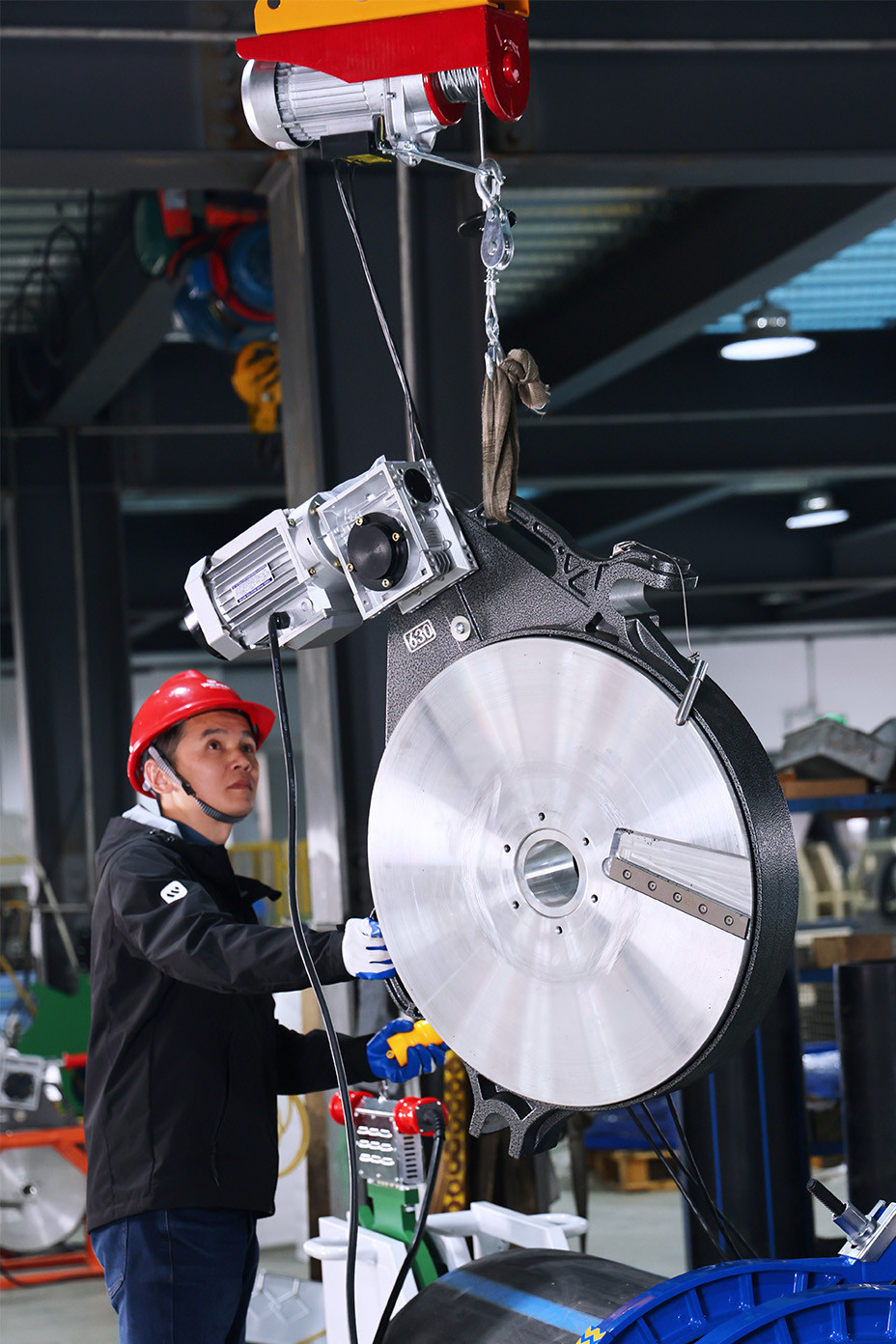
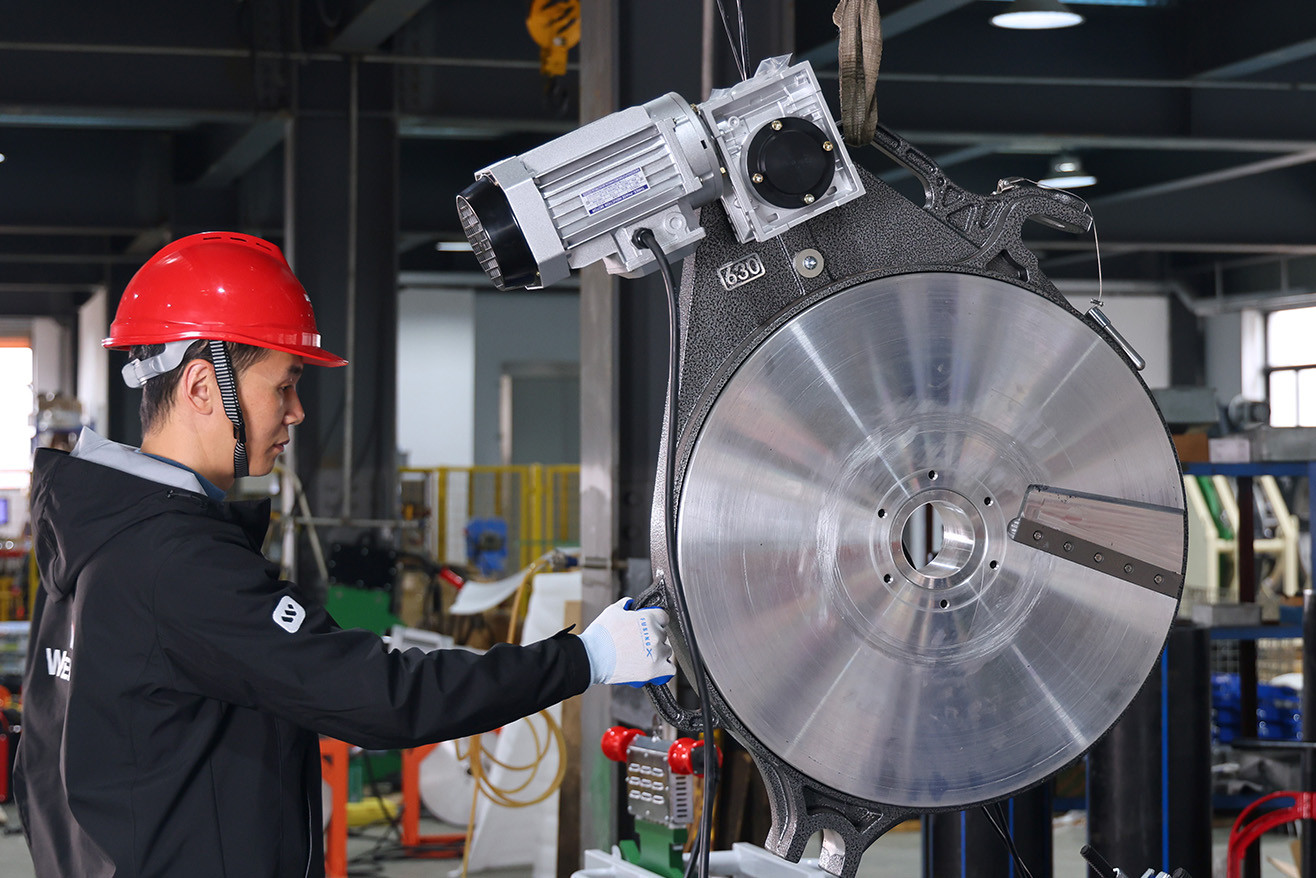
As seen in the photos, Welping’s facer plate is noticeably thicker than typical industry designs.
A thicker plate provides:
✔ Higher rigidity with reduced vibration
✔ Better resistance to heat deformation during continuous facing
✔ Smoother and more consistent surface finishing
This stability is especially important for large-diameter PE pipes, where cutting loads are much heavier.
04. Craftsmanship and Structural Durability
Several internal details further highlight the facer’s engineering quality:
· Integrated machined housing instead of welded components
· Even lubrication coverage
· Clean machining patterns on tooth surfaces
· Bearings and gear modules selected for durability rather than cost
These details contribute to stable, long-term operation on demanding job sites.
05. The Value of a Good Facer Appears in the Welding Result
A better facer ultimately translates to:
✔ Smoother cutting
✔ Flatter pipe ends
✔ Better alignment
✔ More stable weld joints
✔ Reduced downtime
These are practical, measurable benefits—not theoretical claims.
Conclusion
The reliability of Welping’s facer does not come from a single feature, but from the combined effect of its gear-drive system, reinforced facer plate, precise machining, and long-term structural stability.
If you would like to explore more technical details and product information, please visit: FusingX.com