What Makes Up a Complete Butt Fusion Welding Machine?|FX630 Example
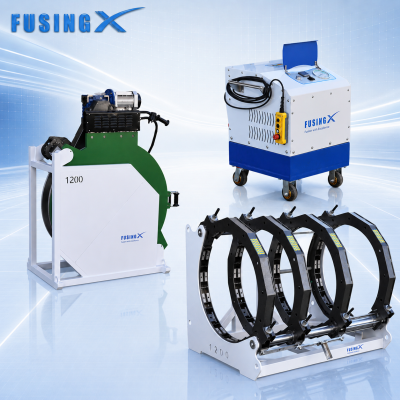
A full butt fusion welding system is built from several key components: the main frame, facer, heater, and hydraulic unit. For larger pipe diameters, a crane lifter can also be added as an optional aid. Using the FX630 as an example, this article provides a clear overview of what a complete welding setup includes and the role each part plays.
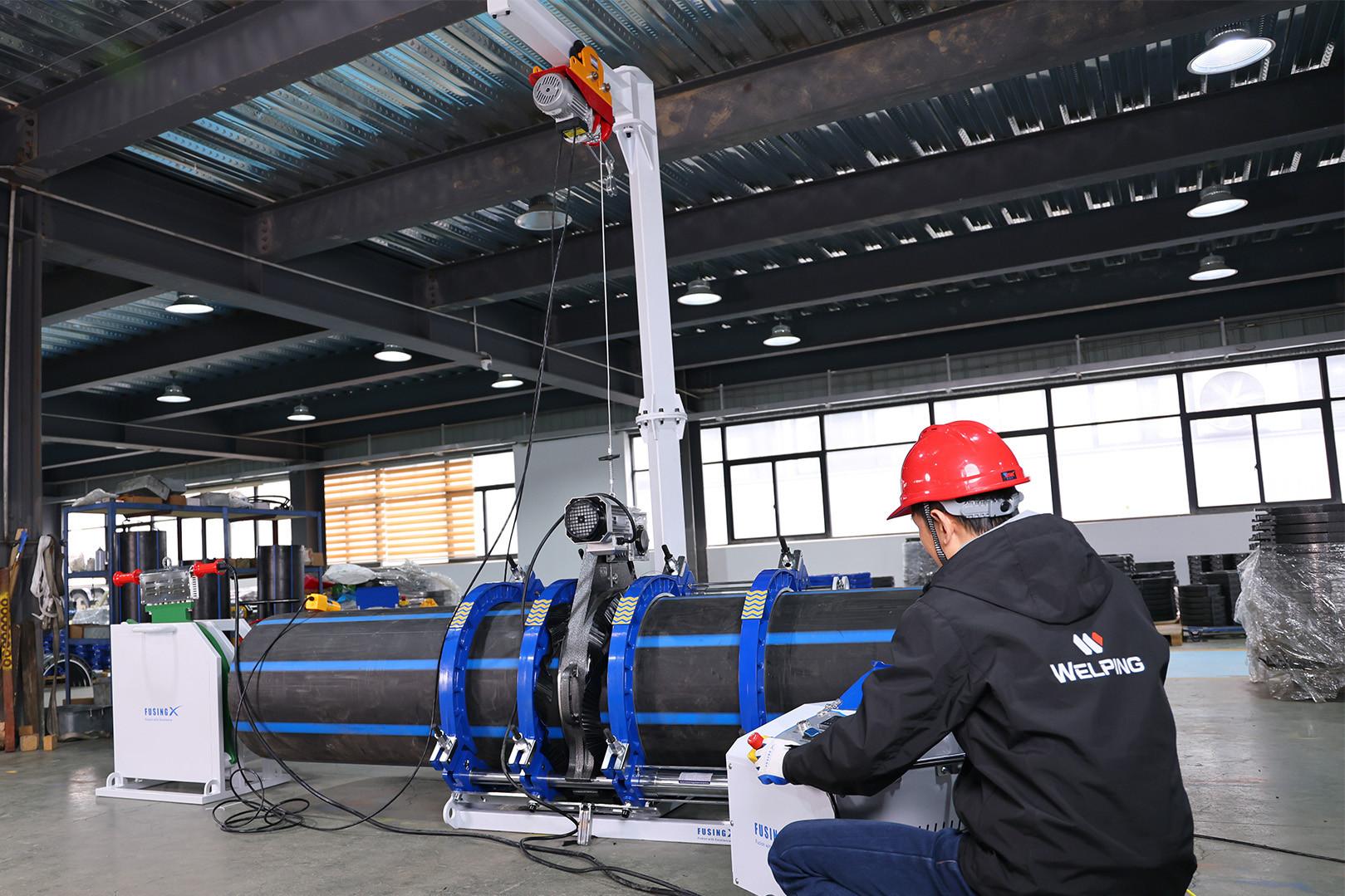
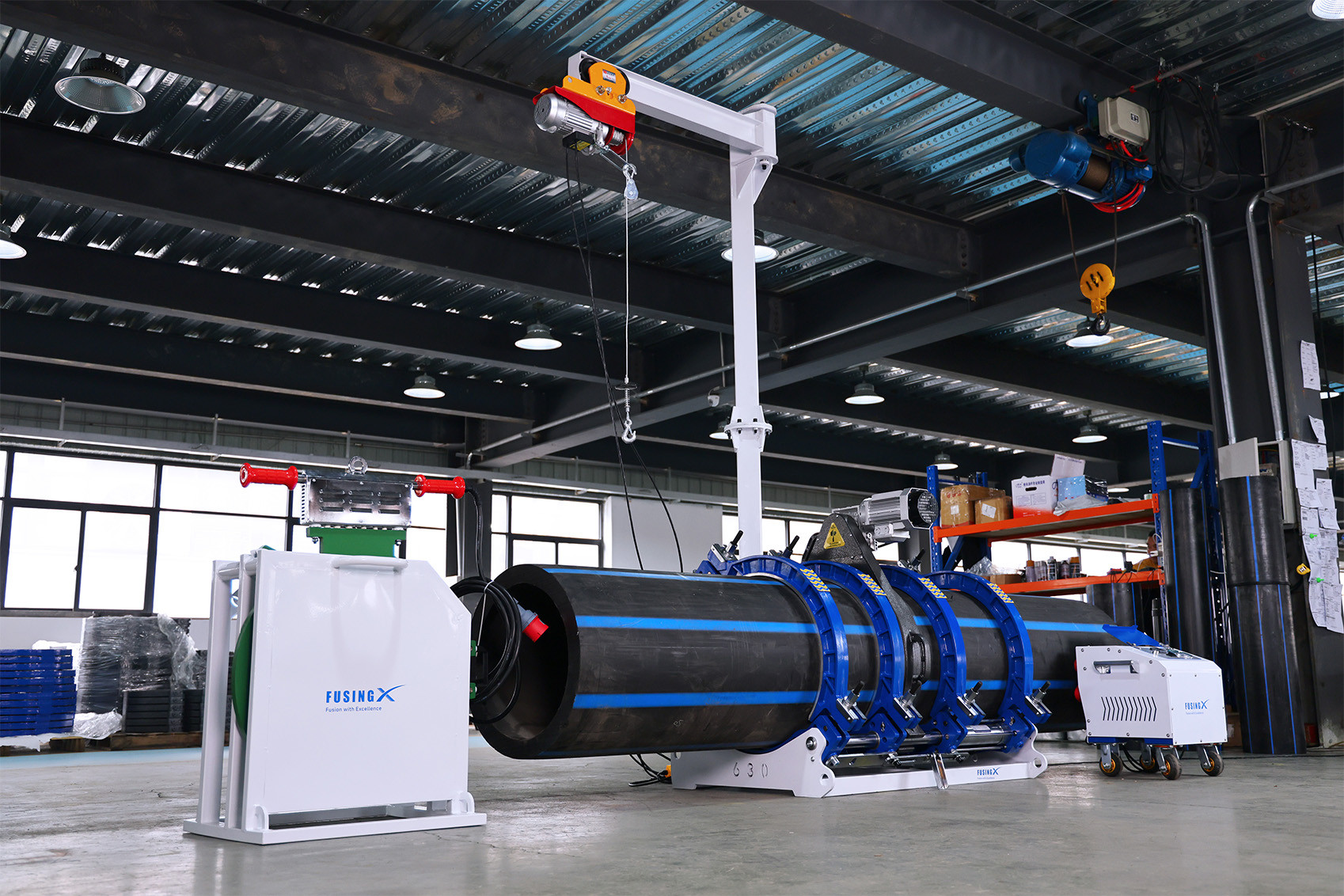
In HDPE pipeline installation, these components work together to support the entire welding cycle—from aligning the pipes, preparing the ends, and heating, to the final fusion process. During a recent welding test with the FX630 in our factory, we captured a photo that helps illustrate how a full welding setup looks in practice.
01. Machine Body (Main Frame) — The Foundation of the Welding System
01. Machine Body (Main Frame) — The Foundation of the Welding System
A standard main frame typically features:
· Three or four clamps (depending on model size)
· Guide rods and a sliding carriage
· Connection points for hydraulic control
All essential steps—alignment, pressure application, cooling, and formation of the final joint—take place here, making the main frame the most critical part of the welder.
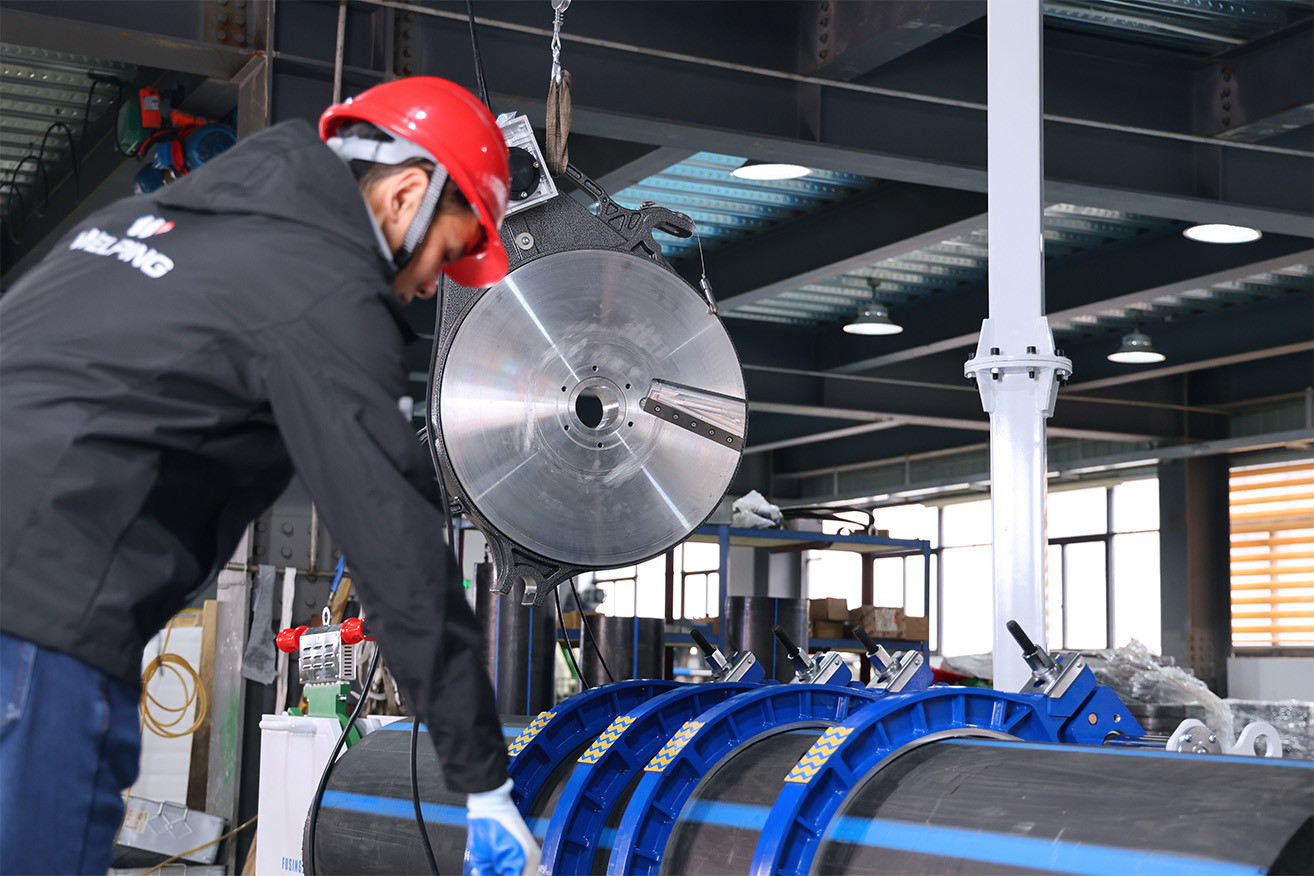
02. Facer — Preparing Clean, Square, and Aligned Pipe Ends
The facer is an indispensable tool in butt fusion welding. Its functions include:
·Trimming and leveling both pipe ends
· Removing the thin oxidized layer
· Ensuring both ends are smooth, perpendicular, and centered
The FX series uses a gear-driven facer, providing stable cutting performance and long service life even in demanding field conditions.
03. Heater — Bringing Pipe Ends to Fusion Temperature
The heater raises the pipe ends to the precise temperature required for fusion. Its main features include:
· Even surface heating
· Reliable temperature control
· PTFE non-stick coating for cleaner operation
· Insulated handles for safer handling
Consistent and uniform heating is one of the key factors that determine the strength of the final joint.
04. Hydraulic Power Unit — Driving Movement and Pressure Control
The hydraulic unit operates the clamping and pushing functions of the main frame. It provides:
· Controlled axial pressure
· Adjustable welding force
· Temperature display and timing functions
The FX-series hydraulic units use an enclosed cabinet design, protecting internal components from dust, moisture, and job-site debris—especially valuable in outdoor and rugged environments.
Standard Configuration of a Welping Butt Fusion Welder
✔ Machine Body (Main frame)
✔ Facer
✔ Heater
✔ Hydraulic Power Unit
These four components form the complete system required to perform butt fusion welding from start to finish.
Why the Crane Lifter Is Optional Rather Than Standard
In the FX630 field setup shown in the photo, an additional crane lifter is used to assist operations.
Crane Lifter — Practical for Larger Pipe Diameters
The crane can:
· Lift and position the facer and heater
· Reduce operator fatigue
· Increase safety and workflow efficiency on large-diameter jobs
Why It Is Not Included as Standard Equipment
2. The requirement grows with pipe diameter
Once pipe size reaches around 500 mm and above, both the facer and heater become significantly heavier, making lifting assistance highly beneficial.
3. Different job sites already have their own lifting tools
Many contractors use site cranes or lifting arms, so offering a crane as optional equipment provides more flexibility.
For these reasons, Welping supplies the crane lifter as an optional accessory that users can select based on their project and working environment.
Summary: Components of a Complete Welding Machine
Standard Configuration:
1.Machine Body (Main frame)
2.Facer
3.Heater
4.Hydraulic Power Unit
Optional Component:
5. Crane Lifter
Closing Note
To explore more about Welping butt fusion welding machines and system configurations, you are welcome to visit our website:
📘 Read More from Product Knowledge
• Back to Product Knowledge
• Next: Why Are FusingX Facer Tools More Reliable?|A Closer Look at the Gear-Driven Structure